
Are you a research scholar in any reputed college or university? Do you want to know about the best types of research methodology for your PhD degree course? In this blog we will discuss about top 10 Research Methodologies for PhD Scholars.
What Is Research Methodology in PhD Research?
A PhD research methodology is a sort of research project that is very much systematic blue print to explain how you plan to investigate any research problem.
This for rationale behind your own choices and the way by which you can collect, analyse and even interpret any data.
Why Is Choosing the Right Research Methodology Important for PhD Scholars?
The PhD research methods matters due to the following prime reasons:
- It Ensures An Assignment with the Research Questions: the research methodology need to answer directly to the core problem. The qualitative debugging of the meaning based questions to fit the needed hypothesis as well mixed methods.
- Providing Academic Justificatory and Credibility: the doctoral studies and researches need the scholars to apply for the methods and also to justify critically why these methods are chosen over the other alternatives. It provides the findings that are based on a very logical as well transplant procedure rather than any vague work.
- Enhancing Reliability and Validity: it is a well-structured plan to cover all the data collection, anacrusis and the sampling strategies to ensure that the results that are very much accurate, replicable as well consultant by the other researchers.
- It Acts as a Focused Filter: it is a very clear methodology that doctors what type of data are relevant and things that are to be excluded for keno the big phd projects from becoming inconsistent or scattered.
- It Prevent time Consumption as well Resource Mistakes: if you make poor research methodology choices many data collation can be broken down and force the students to scrap long work, peer view or data collection. This, it acts in the realism of time, data access , software tools, etc.
Top 10 Research Methodologies for PhD Scholars
Major research methodology types are as follows:
1. Experimental Research Methodology
This type pf PhD research work covers all the major reel life applications of the natural sciences that are aimed at offering an answer to any practical issue in particular to deep the best technologies.
2. Mixed Methods Research
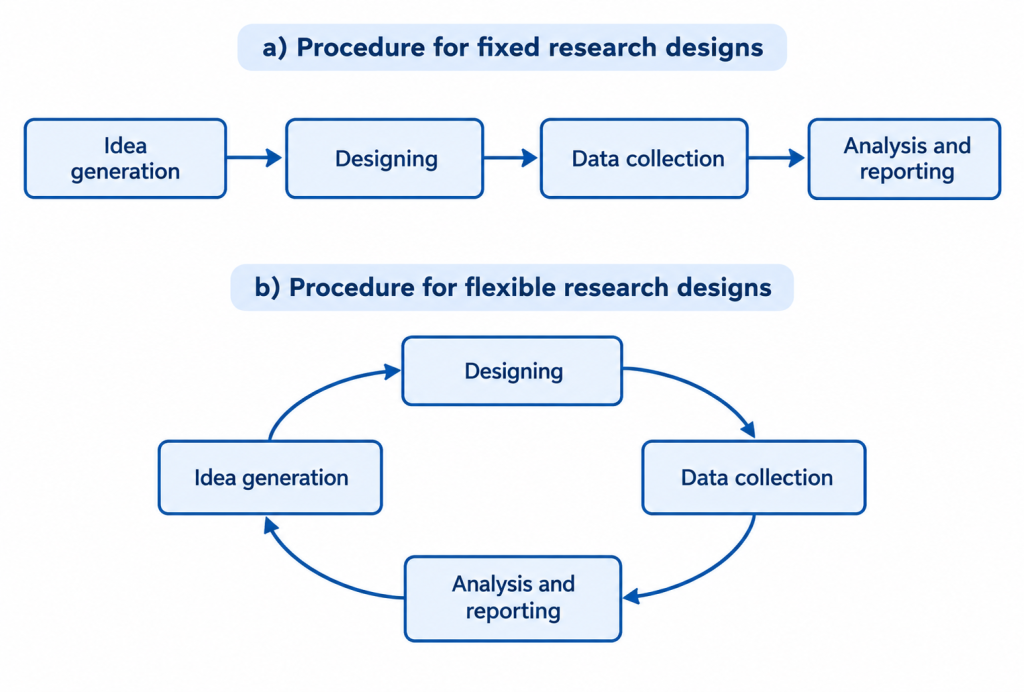
In this type of research methodology, the design of your study is fixed before the main data gathering phase with design that are mostly theatrical variables, These are the variables that are needed to be controlled as well masers quantitatively.
3. Qualitative Research Methodology
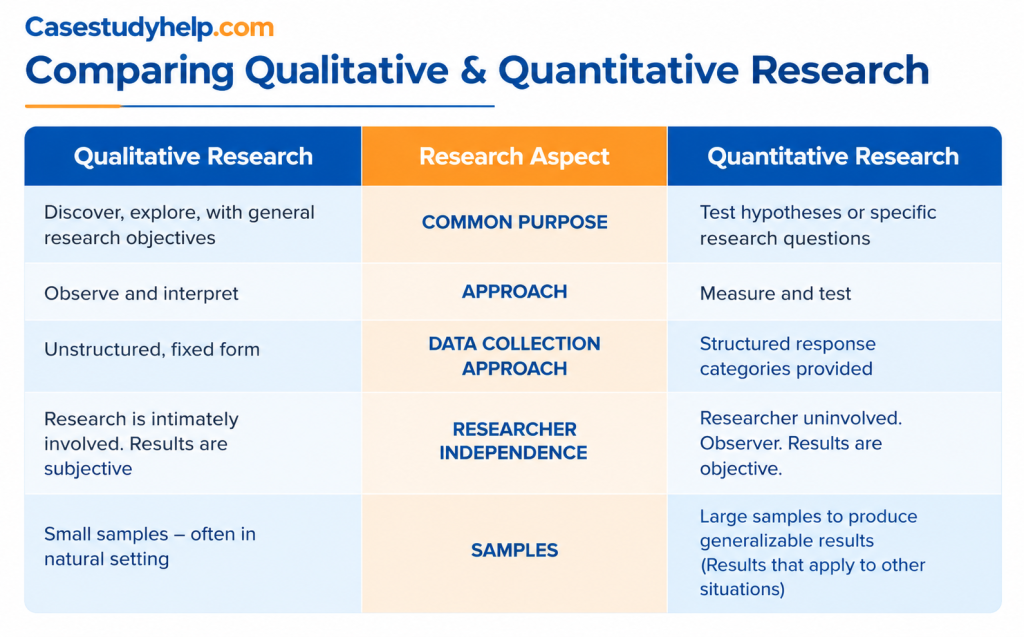
Qualitative research and the quantitative research: the qualitative research denotes engaging the quantitative in 2 grades while the qualitative research deemed the Boran measurement sometimes.
4. Quantitative Research Methodology
It I a very much systemic proves to collect sns ankuses all the numerical data for testing the hypostasis, generalize the research finds as well identify the patterns across bigger populations.
5. Descriptive Research Methodology
It is the availability of the affairs where the researcher has no control over the variables. These are the doctoral studies that are characterized by an effort to ascertain recognize or even define.
6. Exploratory Research Methodology
It is a type of confirm story research theatres the priori hyping’s an outcome of the predictions is done prior to the repayment stage. This type of priori hypothesis is generally derived from any theory or even the recurs pf the previous studies. Such a priori hypotheses are usually derived from a theory or the results of previous studies. Exploratory research generates a posteriori hypothesis by investigating a dataset and ascertaining potential connection between variables.
7. Case Study Research Methodology
A case study methodology is research is a mixed or a qualitative rod to research and design that investigates the real world by the budding system like any individual, group or organization.
8. Historical Research Methodology
The historical research methodology explains and explores the phases, ninja and the traits of any prices or phenomenon in certain phases of time in the past. It is a research study from any research history.
9. Correlational Research Methodology
Correlational research is a type of non-experimental research technique where you can measure any 2 visible to sass any statistical connection between them with any external Viable influence. Any co relation between two variables are given via the Corey confine ta is always a very statistical measure to calculate the strength of any relationship between these 2 variables meads between -1 and +1.
10. Action Research Methodology:
This is a systemic enquiry for improving and or even holding your research actions. Thee repeaters fins t very much empowering expires. This methodology has a positive result for different resins the most impairer is roar the action reseal is paint to the participant of the research. This relevance I assumed subset the aim o each the research project of this type is ascesis by the researcher himself who are also the beneficiaries of the research project.
How to Choose the Right Research Methodology for Your PhD
Since the research question form a very important part of the research methods for PhD scholars, your choice is driven by your research questions in the following way:
- Form Following the Faction: the research questions dictate tool you need and not the other way.
- Use the Qualitative Approaches: if you are exploring the qualitative research methodology questions like “what” or “why” to unseats the meaningful and expiring on the social media by using focus groups, interviews or thematic analysis.
- The Quantitative Research Methodology: approaches by using it if you are testing the hitless , looking for the numerical trees or by using the variables or looking at the trends with the help of methods like conducting surveys , statistical software or experiments.
- Mixed Methods: the mixed methods research question is a combination of both if the numerical data alone cannot satisfy the solution of the problem.
- Review Prior to Work: read 25-30 disscussion from any program or spot the regular debug patterns in your own field.
- Go Through the Literature: you can always look at the very systematic reviews and the recommendation for the future research to see what the methodologies that are valued are and wat are missing.
- Align with the Expectation: by ensuring your own approach to satisfy the department of your university and its stanzas with the committee preferences.
Common Mistakes PhD Scholars Should Avoid When Selecting a Methodology
- Selectin Convince Over Alignment: by pin slimy any methods side it is popular will not give you your desired result.
- Mismatching Research Designs: fail to defer crawly whether your reseal study is quantitative, quartile or mixed method design. Choosing a design that do not fit your main objective.
- Ignoring the Liability and Validity: by using the measuring tool and data colon instruments that can faun for measure what het want to measure that can lard to unsupportable findings.
- Not Justifying the Choices: the listing act taken by you without even explaining the research philosophy, logical reasoning and the trade offs behind why such choices were better than there alyernsrives.
- Poor Participation Seltuo and Sampling: if you select an unrepresented or arbitrary sample size without any proofer jusrofcation you need to clear the inclusion criteria or doing any selection bias.
- Overlooking the Ethical Considerations: excluding the critical protocols regard the IRB or the Institutional Review Board by informed condo, approval, data confidentiality and the participant privacy.
- Wrong Data Analysis Planning: by Appling the qualitative or the statically data the dodging techiest like the thematic analysis or the regression technique wit out chequeen the basic assumptions of the foundation or misunderstanding the matrices like p values or learning of the analysis software after data collection.
- Designing the Invalidated Custom Instruments: it is building up a brand new survey or the questionnaire from the scratch rather than piloting or adapting any reliable or validated instrument.
Key Takeaways for PhD Researchers
- Embracing the Loop: in the experimental research of the doctoral level, it is more recursive rather than linear and its Circes back to the theories or by ruing the questions to mean that your understanding is more deepening and not failing.
- Prior Zing Progress Over the Perfection: in any finished and submitted research thesis, it is always idealized with an unfinished masterpiece. Here, you need to shift our focus from degree collision to malign more discoveries.
- Quality Over Quantity: it is the production of fewer, high impacting studies that yield beet career portion and intlftual dividends rather than pushing a very high volume of low quality data.
- Mastering your Research Question: start from your own internal area than narrow it down very tightly south tur lecture search and the duly expediters remain more focused.
- Leveraging the Suspend: building a very reliable work flow by using more knowledge and cation on the managing tool like notion or zoster for techy your readings to maintain a research diary daily.
- Test the Early Ideas: trying to kill the weaker hypothesis actively and quickly with the targeted experiments before wasting more time on it.
Thus, you can see its blog the writing the bet research paper is not and are matter, thus, you always need the best our assignment writing service provider of research work and casestudyhelp.com is the very top choice for you in this regard.
FAQs: Questions by PhD Scholars for Research Methodologies
Q 1. What are the main research methodologies used in PhD research?
Answer: The main research methodologies include qualitative, quantitative and mixed-method approaches. Other approaches include experimental, descriptive, exploratory, case study and longitudinal research.
Q 2. How do I choose the right research methodology for my PhD?
Answer: Choose a methodology based on your research objectives, questions, subject area, available data and the type of analysis required to address your research problem.
Q 3. What is the difference between qualitative and quantitative research?
Answer: Qualitative research explores experiences, opinions and behaviors using non-numerical data, while quantitative research uses numerical data, statistical analysis and measurable variables.
Q 4. Can I use mixed-method research in my PhD?
Answer: Yes. Mixed-method research combines qualitative and quantitative approaches to provide a broader understanding of a research problem through both numerical findings and detailed insights.
Author Bio:

Hi, I’m Lyana Jones, an academic writing and research enthusiast passionate about helping PhD scholars understand research methodologies and develop effective research strategies. Through my articles, I aim to simplify complex research concepts, explain qualitative, quantitative and mixed-method approaches, and provide practical guidance on research design, data collection, and analysis. My goal is to help doctoral researchers make informed methodological decisions and approach their academic research with greater clarity and confidence.